



From Monday, February 23 to Monday, March 2, 2026, Professor Takashima Eizo of the Malaria Research Division at the Proteo-Science Center (PROS) of the Premier Institute for Advanced Studies (PIAS), Ehime University; Associate Professor Kurita Hideyuki of the Institute for International Relations (IIR); and Ms.Veronica Fernando (Senior Assistant Professor at Lurio University), a doctoral student in the United Graduate School of Agricultural Sciences, visited Lurio University, Ehime University’s partner institution in Mozambique. This visit was conducted as part of international cooperation efforts based on a four-party agreement between Ehime University, Lurio University, the Ministry of Education and Culture of Mozambique, and the Japan International Cooperation Agency (JICA).
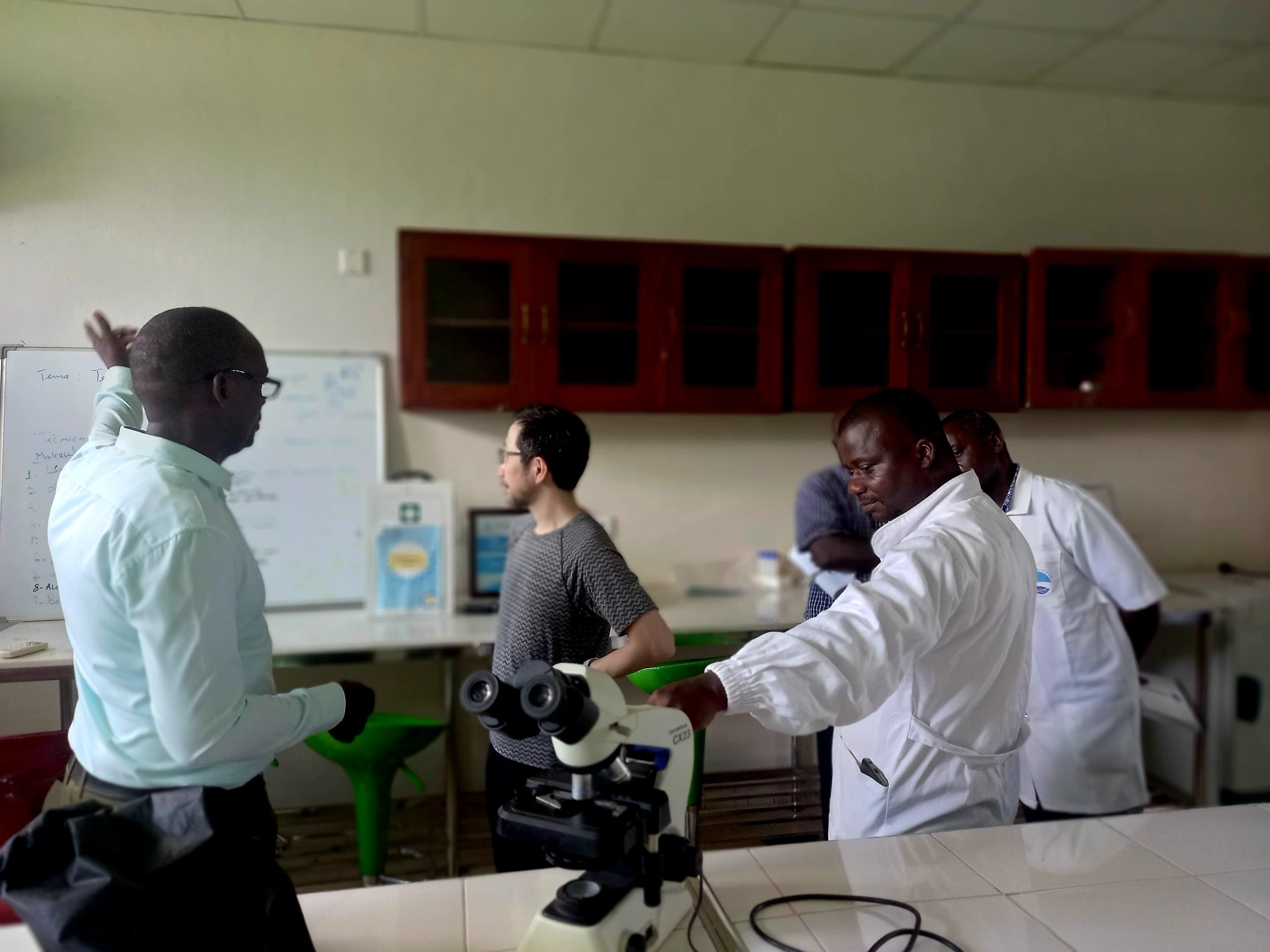
Exchanges between our university and Lurio University began following President Guebuza’s visit in 2008. At a meeting attended by government officials from both Japan and Mozambique, our university expressed to the President its intention to collaborate on human resource development for regional universities in Mozambique. That same year, the rector of Lurio University—a newly established regional university in northern Mozambique—visited our university, and the first facility he toured was the Proteo-Science Center (PROS). Since then, Lurio University has made requests regarding malaria research, and successive rectors have visited the Proteo-Science Center. The current Rector Eusebio is a researcher who has been active at the forefront of malaria research, and Professor Takashima’s visit was received with a grand welcome.
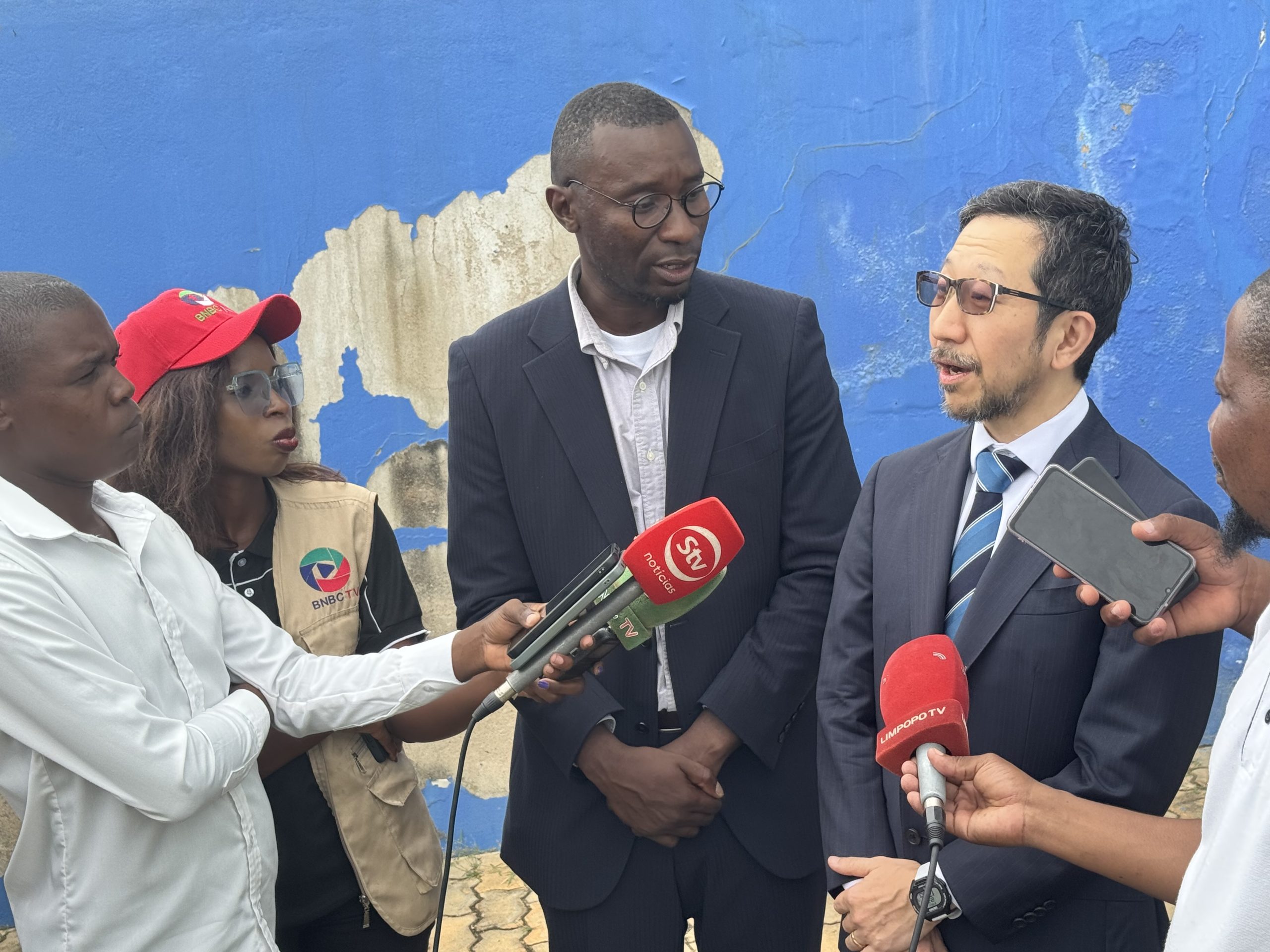
Northern Mozambique, where Lurio University is located, is the region with the most severe malaria outbreak in the country. When the Governor of Nampula Province visited our university last November, he also requested research collaboration. Following this visit, Lurio University hosted a malaria research symposium attended by malaria researchers from across the country. Professor Takashima took the stage to present an overview of his research and outline potential directions for joint research between the two universities. At the event, questions and comments were raised not only by researchers and students but also by external research institutions, and the lively discussion was reported in Mozambique’s national newspapers and on television. In discussions with Lurio University, both parties confirmed the region’s geographical advantages for malaria research and agreed to pursue opportunities for joint research.
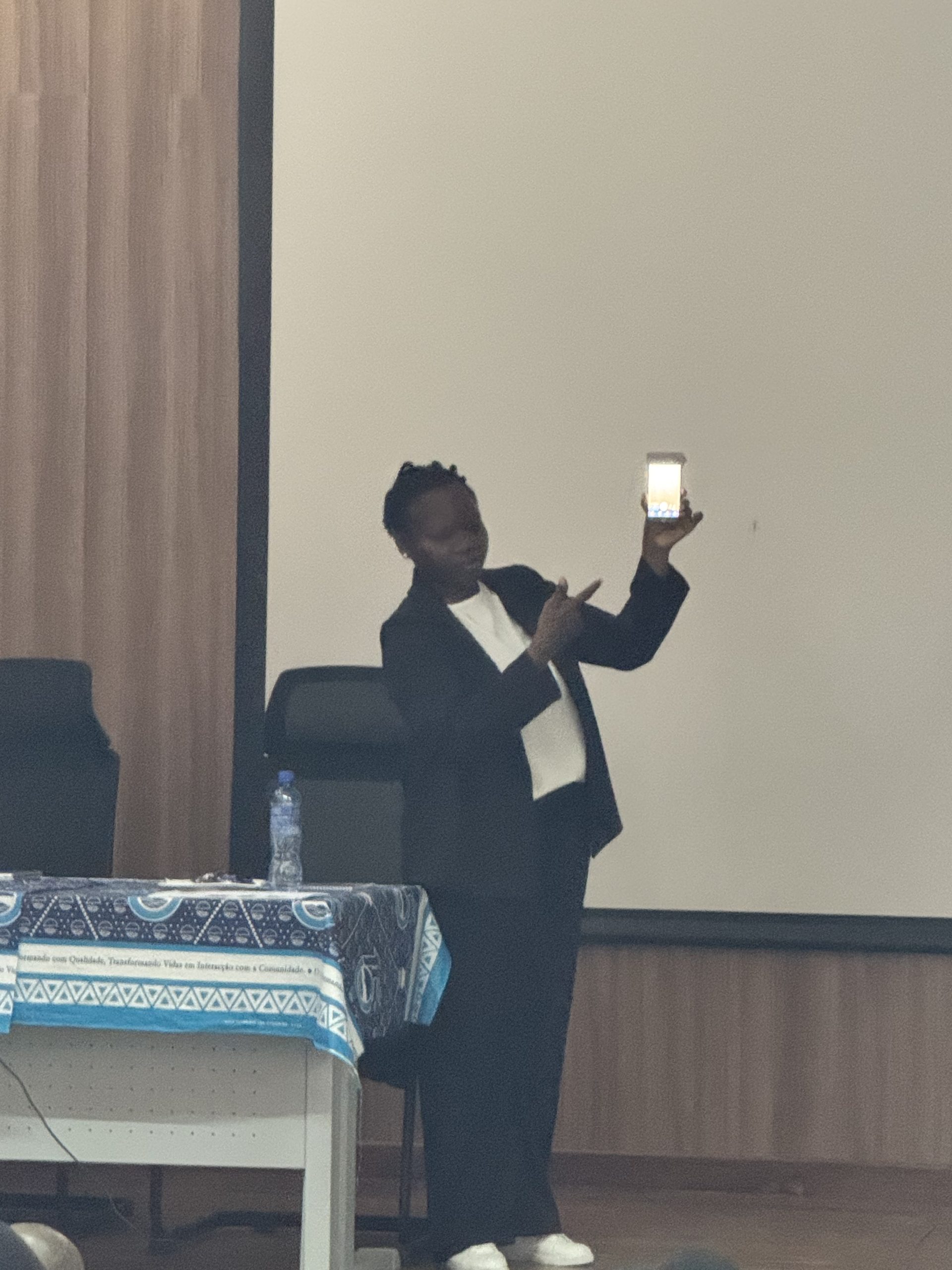
Senior Assistant Professor Veronica conducted a clinical research workshop using SEC (Smart Eye Camera) and made preparations for a joint study scheduled to begin in April. Furthermore, the participants discussed the possibility of collaboration with our university to enhance the capabilities of Lurio University faculty members and students regarding preventive education—including nutritional improvement—and surveys to assess local health conditions.
In addition, our university, Lurio University, and JICA have begun discussions on cooperation in the fields of disaster prevention, rural development, and tourism. Associate Professor Kurita shared the expertise in overseas leadership training accumulated by the Institute for International Relations (IIR). It was decided to proceed with capacity building for faculty and students at Lurio University by utilizing distance learning teaching materials and online discussions. In the field of disaster prevention, instead of the exchange of young researchers—which had been under consideration but never realized—a request was made for new cooperation based at the main campus in Nampla Province. It was agreed to resume discussions between faculty members specializing in disaster prevention at our university and Lurio University.
Mozambique is an important region for Japan, and it is also a region with which our university has maintained a long-standing partnership. This visit provided an opportunity to further deepen that relationship. We will continue to strengthen the partnership between our two universities and advance collaboration across a wide range of fields, including malaria research, health initiatives utilizing the SEC, disaster prevention, rural development, and tourism.

<Proteo-Science Center, Premier Institute for Advanced Studies,Institute for International Relations, The United Graduate School of Agricultural Sciences>