



Exploration of functional food ingredients and elucidation of their mechanisms of action
※The content is current at the time of writing.
Functional foods can improve our quality of life if we make good use of them.
Research Overview
Japan is one of the countries with the longest life expectancy in the world, but the gap between average life expectancy and healthy life expectancy remains large. To extend healthy life expectancy, it is important to prevent the onset and severity of diseases that seriously affect the brain, such as dementia and cerebrovascular diseases, and to prevent frailty (physical and mental decline). Even for those who are not elderly, non-communicable diseases such as lifestyle-related diseases and allergies can reduce quality of life over the long term, so prevention of the onset and severity of these diseases is also important to lead a healthy life.
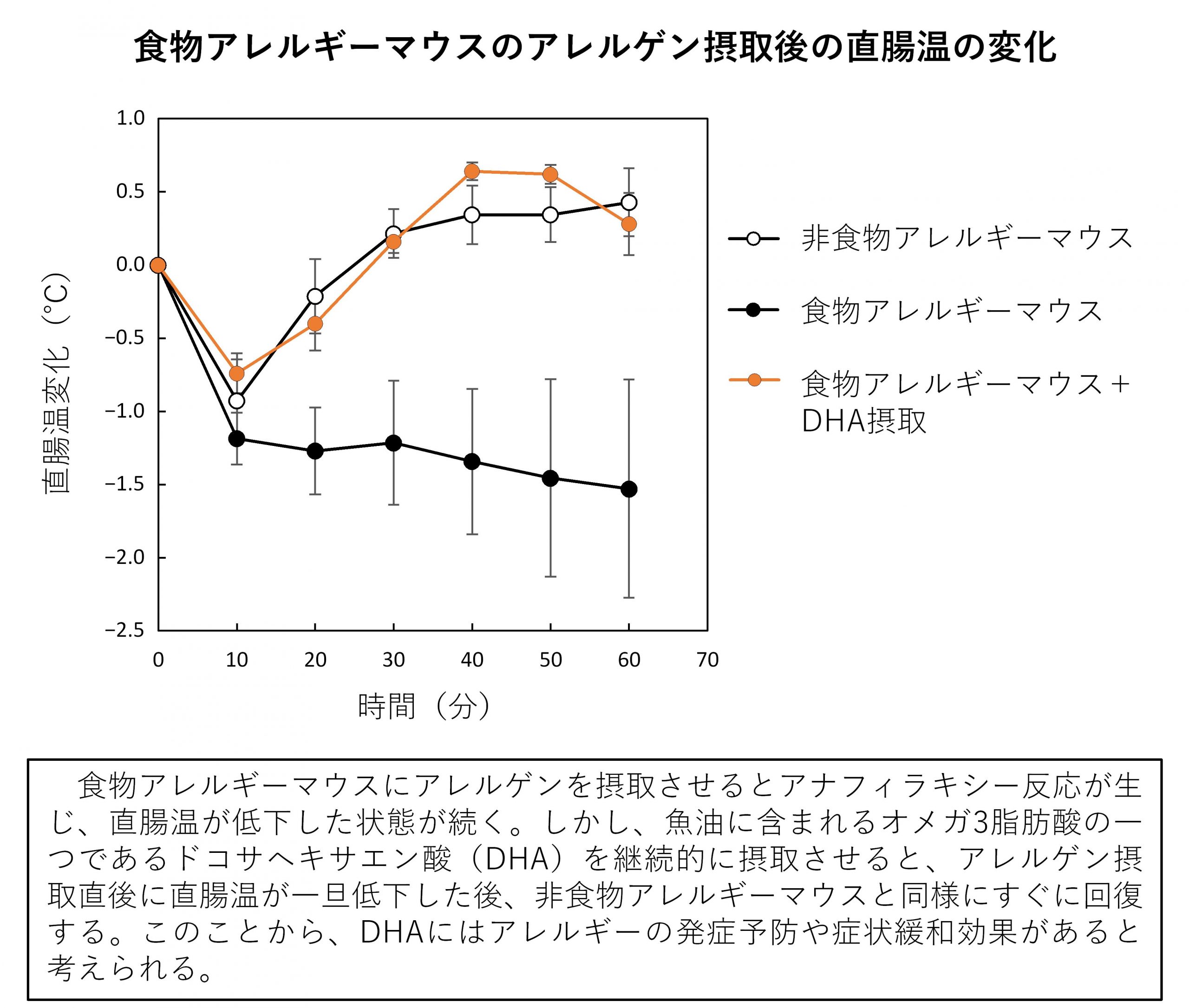
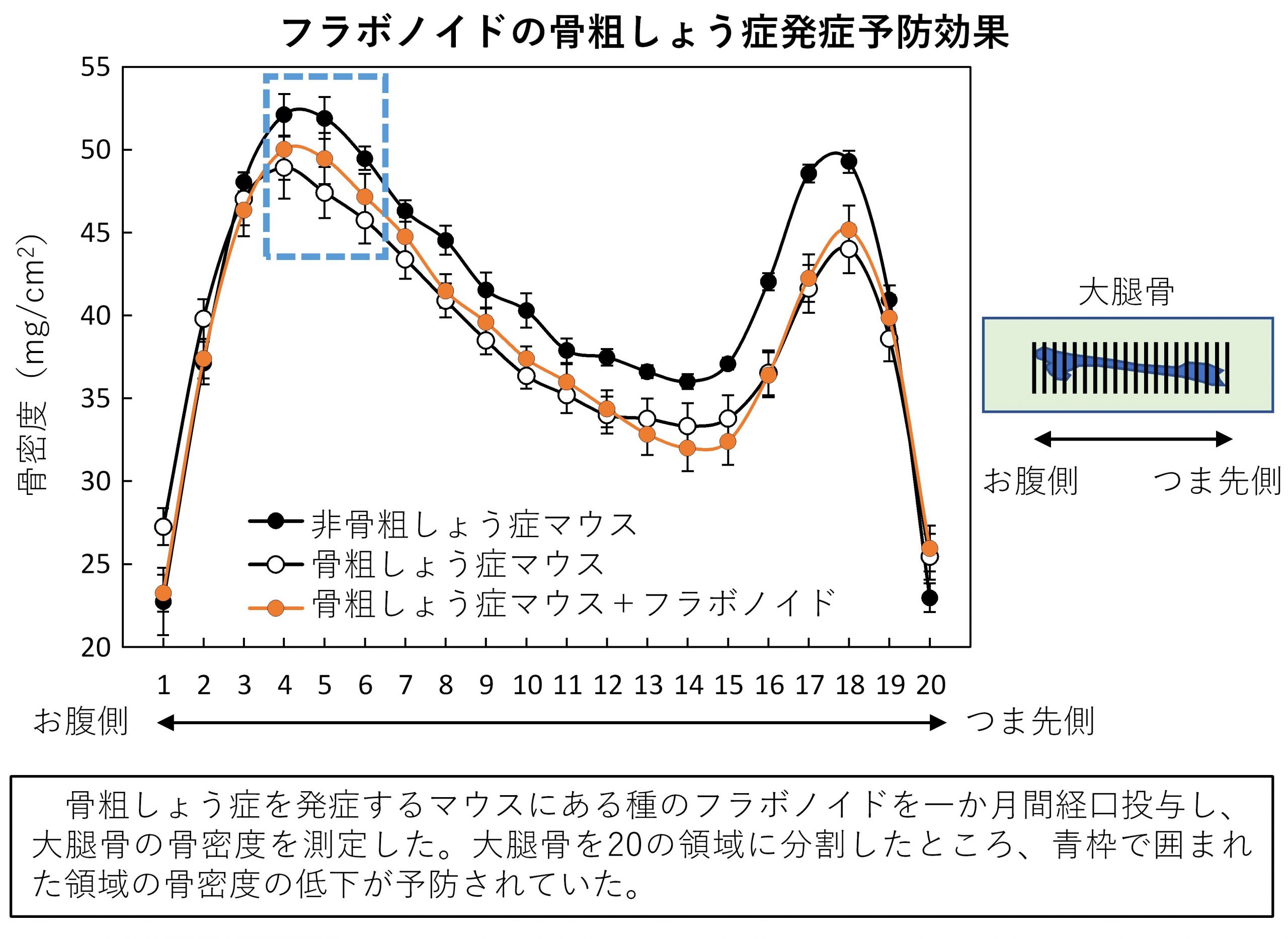
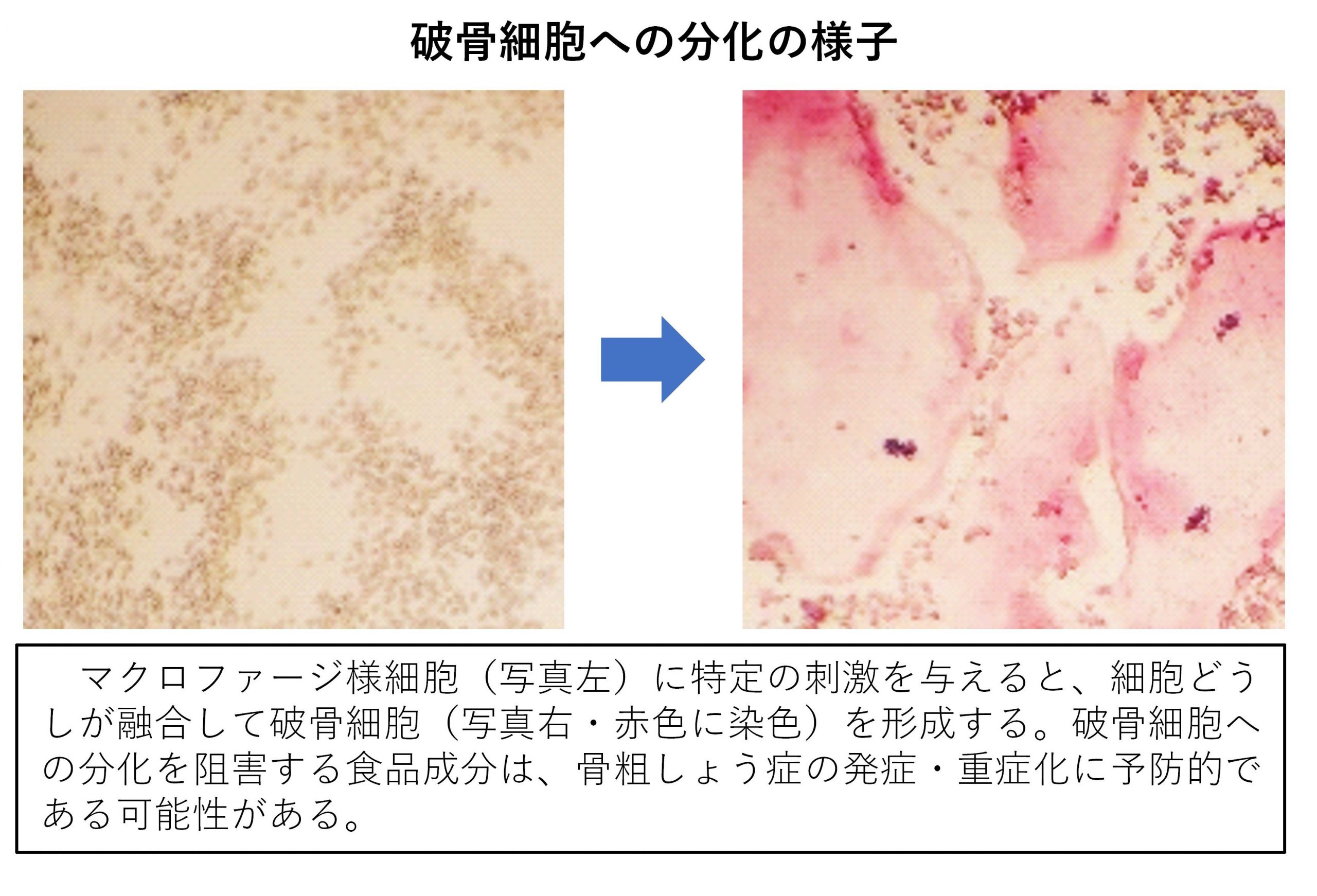
Daily diet (eating habits) has a significant impact on the onset and severity of the aforementioned diseases. Foods we consume not only serve as nutrients (primary function), but also stimulate our sensory organs through smell and taste (secondary function), and regulate physiological functions of the body (tertiary function). Unlike the primary function, the tertiary function of food is not essential for our survival and health maintenance. However, when utilized properly, it can be expected to prevent the onset of disease and maintain and improve the quality of life by maintaining and improving physical condition and promoting health. The tertiary function of foods in maintaining and improving health is called food functionality, and our laboratory conducts research on the search for food components that exhibit functionality and on the elucidation of the mechanisms by which food components exhibit functionality. In particular, we are focusing our research on functional food ingredients that are preventive against the onset and severity of allergies, chronic inflammation, and osteoporosis. Recent results include the elucidation of one part of the mechanism by which fish oil exerts an antiallergic effect and the discovery of flavonoids that are preventive against the onset of osteoporosis.
Research Features
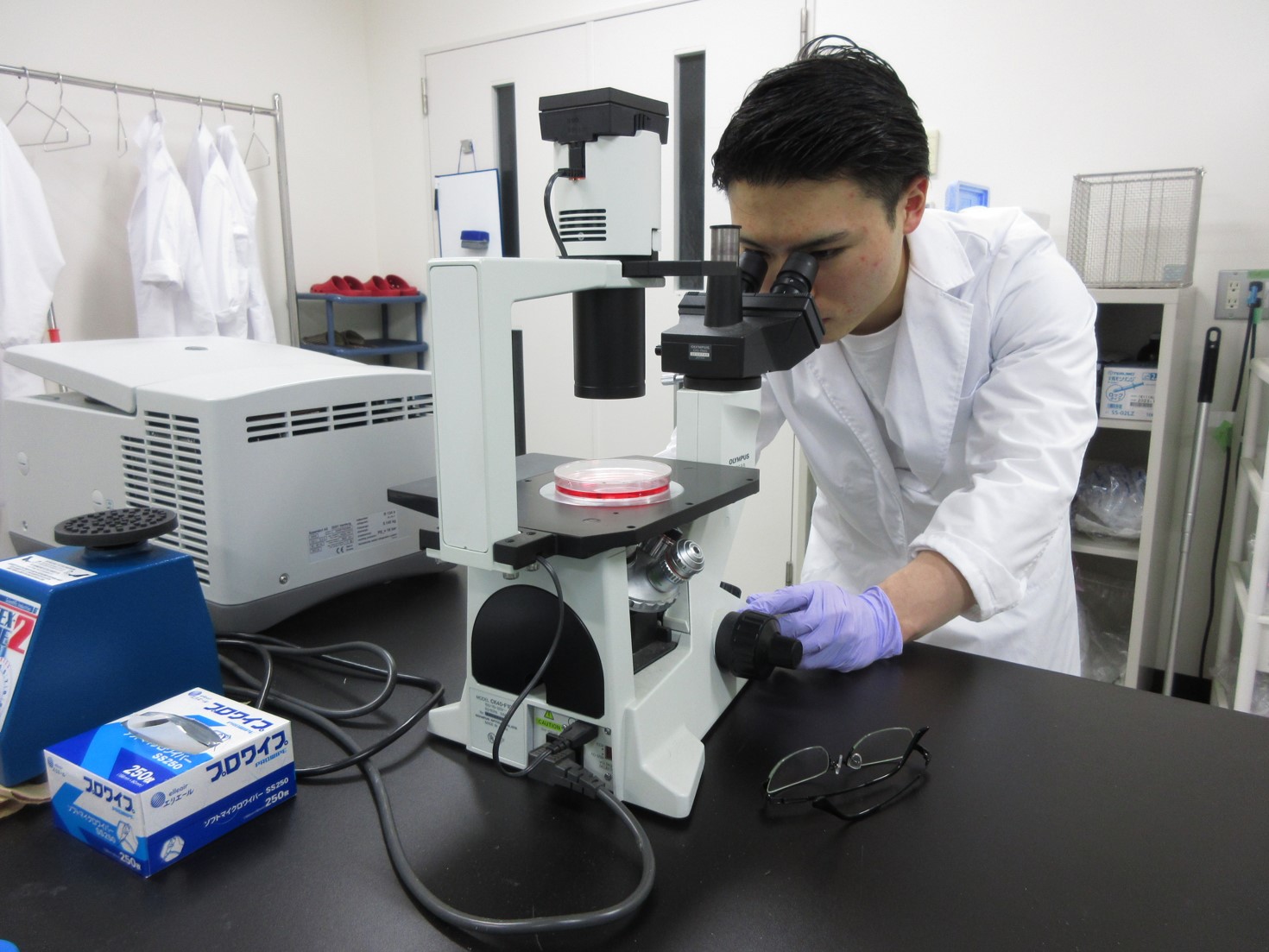
Although there are a variety of food ingredients on the earth, it is difficult to directly examine which food ingredients exhibit functionality in humans. Therefore, we are culturing human and other cells, and by giving stimuli to the cells, we are analyzing how the cellular responses, such as gene expression, are changed, leading to the discovery of new functional food ingredients and clarification of their mechanisms. Once a new functional food ingredient is discovered using cultured cells, we evaluate whether the food ingredient is functional not only at the cultured cell level but also at the biological level by feeding it to experimental animals such as mice. If promising effects are found in experimental animals, we will conduct an intervention study in cooperation with the School of Medicine to finally verify whether the functionality is also demonstrated in humans.
The conduct of such studies requires the cooperation of researchers from a variety of disciplines. For example, analytical chemists analyze various components in foods, while biologists evaluate them in cultured cells. If a new functional food ingredient is found, an organic chemist synthesizes it in large quantities and administers it to laboratory animals to evaluate its efficacy. For verification in humans, the cooperation of medical scientists is essential. I think this field of research is very exciting because this kind of collaboration between experts in different fields allows us to come up with ideas that we would not have come up with on our own, and to be exposed to the latest science and technology. It is also a place where agriculture and medicine come together. This collaboration between medicine and agriculture is a new feature of Ehime University.
Research Attraction
It may sound a bit clichéd, but the real thrill of research is to be the first in the world to discover food functionality that is still unknown and unexplored. Of course, it is not easy, but with enough effort, ingenuity, and wisdom, it will lead to some kind of discovery. Another attraction of research on food functionality is that it can directly lead to the development of health foods and other products. I am also in charge of the Research Center for Food and Health Science attached to the Graduate School of Agricultural Science, and there are many cases where the results of joint research between the Center and food companies have led to commercialization of products, some of which are now sold as foods with functional claims. I would like to contribute to society through my research on the functionality of food products.
Future Outlook
Food ingredients have a variety of hidden functionalities, of which we know only a fraction. In other words, there is still much room for research in food. On the other hand, we also need to have an eye for finding the functionality of unknown foods. With a well-developed eye and strong motivation, there is a good chance that you can break new ground in food functionality research and become a pioneer.
Message to those who are interested in this research
In order to discover new functional food ingredients or to elucidate the mechanisms of functionality, it is necessary to conduct various experiments and repeat the cycle of constructing new hypotheses from experimental results on a daily basis, which requires perseverance, basic knowledge, and the ability to think. On the other hand, research on food functionality is easier to apply and develop than other research fields, so you will probably feel a strong sense of fulfillment and satisfaction from your research. The power of undergraduate and graduate students who find food functionality interesting is indispensable for the promotion of the research introduced here. If you are interested in research on food functionality, why don’t you join us to promote this cutting-edge research with your own hands?